
The Roots of Green: Why Sustainable Teams Require Constant Growth

When I first walked into the advancement department at Hartford, the air didn’t exactly feel "green." It didn’t feel like a place where things were growing. If I’m being honest, it felt like a room where the oxygen had been sucked out.
The team was talented: wildly so. They had the pedigree, the skills, and the history. But they were also exhausted. Burnout wasn’t just a buzzword there; it was a baseline. There was a thick layer of mistrust, not necessarily toward each other, but toward the "system." They had lived through too many "pivots" that didn't go anywhere and too many promises that didn't pan out. There was no clarity, just a lot of busywork that felt like treading water in a storm.
In my leadership spectrum, I look at colors to understand the health of an organization. If you’ve been following along, you know we’ve talked about the Power of Red and the Anchor of Blue. Today, we’re talking about Green.
Green is the color of life, but it’s also the color of growth. And here is the hard truth I learned at Hartford: Sustainability isn't about staying the same. It’s about growing constantly so you don't decay.
Burning the Ships (Again)
To get to Green, we first had to go through Red. When I saw the state of the Hartford team, I knew we couldn’t just "tweak" the workflow. We needed a fresh start: a new chapter. Not because the people weren’t good (they were), but because the direction and the day-to-day patterns were wearing everyone down.
I used the "burn the ships" metaphor, but I didn’t mean "erase the past." I meant: let’s make a collective decision that we’re not going to keep reliving the same loops. We can respect what got us here and still agree it’s time to move forward together. No more hoping we’d drift back to a familiar shore. We were choosing the unknown: as a team.
But burning the ships only gets you onto the island. Once you’re there, you have to figure out how to live. You have to build something that lasts. You have to plant a garden.
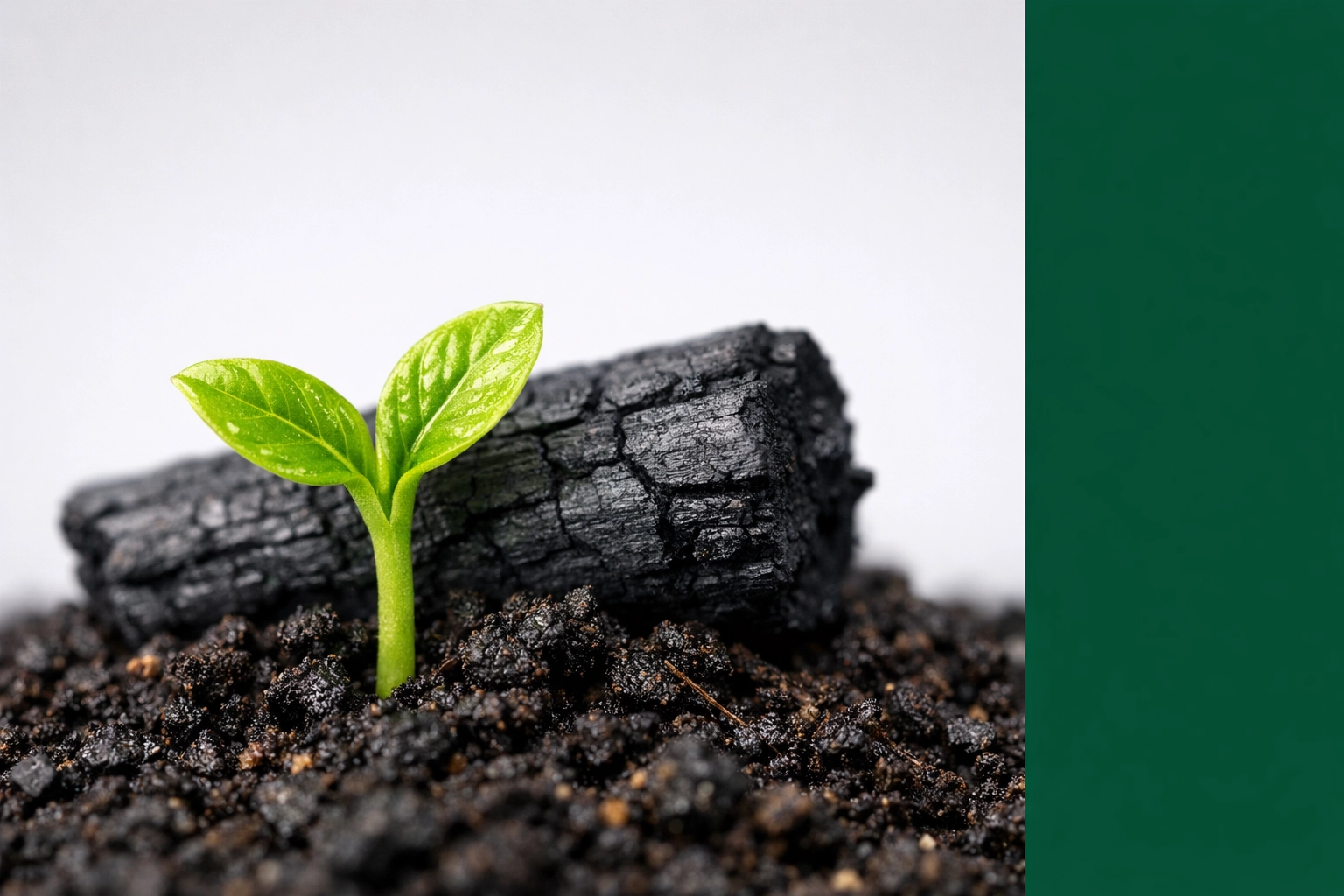
The Roots Were Good, But the Garden Was Overgrown
When I started digging into the culture at Hartford, I realized the "roots" were actually in great shape. The individual people were passionate. They cared about the mission. They wanted to win. But the culture around them was like a garden that hadn't been tended to in a decade.
We had "weeds" of gossip and silos. We had "dead branches" of outdated processes that people were clinging to because "that’s how we’ve always done it."
To get to a place of sustainable growth, I had to become a steward rather than just a manager. Stewardship is a word we use a lot in Business Consulting, but it basically means taking care of something that isn’t yours. I didn’t "own" that team; I was responsible for their environment.
And sometimes, being a good steward means you have to pick up the shears.
Pruning Through Honesty
This is the part of leadership that people usually try to skip. They want the "flourishing" part of Green without the "pruning" part.
Pruning is painful. In a team setting, pruning looks like tough conversations. It looks like radical honesty. We had to sit in rooms together and admit where we were failing. We had to address the mistrust head-on. I had to tell people, "This behavior isn't helping us grow, so it has to stop."
If you aren't willing to prune the dead wood, you’re eventually going to kill the whole tree. Those "tough conversations" aren't about being mean; they are about Leading with Radical Empathy. You care enough about the person and the team to tell the truth, even when it’s uncomfortable.
We cleared out the lack of clarity. We defined what success actually looked like. We stopped rewarding "busy" and started rewarding "effective." Slowly, the atmosphere started to change.
Why Growth is the Only Way to Sustain
A lot of people think "sustainable" means "stable" or "unchanging." They think if they can just reach a certain level of performance, they can stay there forever.
But nature doesn't work that way, and neither do businesses. If a plant stops growing, it’s dying.
Sustainable teams require constant growth because the world around them is constantly shifting. Research shows that high-performing teams stay that way because they are obsessed with learning and adaptability. They don't just rely on the skills they had yesterday; they are constantly developing new ones.
At Hartford, we shifted the focus from "getting the job done" to "growing the people who do the job." We invested in professional development, but more importantly, we created a culture where it was safe to learn (which usually involves failing a little bit first).

The Result: From Exhaustion to Flourishing
It didn’t happen overnight. There were days when it felt like the weeds were winning. But because we stayed committed to the "Green" philosophy: constant growth, honest pruning, and deep-rooted trust: the shift eventually happened.
The "burnout" started to lift. Not because the work got easier (advancement is always hard work!), but because the work started to make sense. People felt like they were part of something living and breathing, not just a machine that was grinding them down.
When you focus on the growth of the individual, the growth of the organization follows naturally. That’s the secret of the Spectrum. You need the courage of Red to start, the trust of Blue to stay together, and the growth of Green to keep going.
How is Your Garden Looking?
If you’re feeling like your team is stuck in a cycle of exhaustion, I want you to take a look at your "roots."
Are you pruning? Are there habits, processes, or even "star performers" who are actually toxic to the culture? You have to have those tough conversations.
Are you planting? Are you giving your team the space and resources to learn something new? Or are you just asking them to do the same thing faster?
Are you a steward or a boss? Do you care more about the output or the health of the people creating the output?
Growth isn't a luxury; it’s a survival tactic. If you want a team that lasts, you have to give them the room (and the "sunlight") to grow.
If you’re struggling to find that clarity or if your team culture feels a bit "overgrown," let’s talk. I’ve spent my career helping leaders navigate these exact shifts. You can check out more about my approach on my About Josh page or reach out directly.
Building a sustainable team is hard work, but there is nothing more rewarding than seeing a group of people move from "just surviving" to truly flourishing.
Let's get growing.
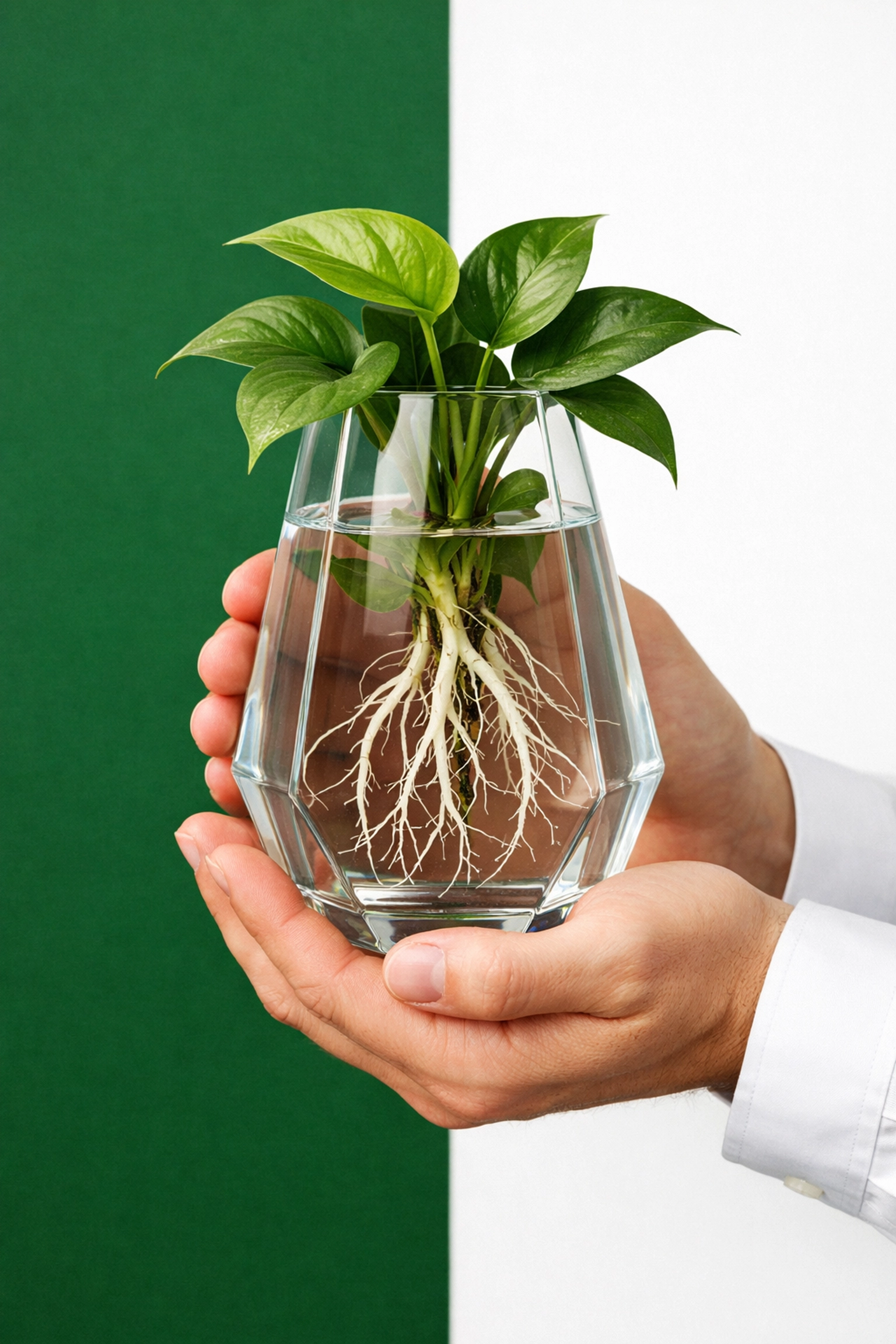
This post is part of the "Leading in Color" series, exploring how different leadership traits: from radical empathy to courageous decision-making: create a vibrant, successful organization. For more insights on building high-trust, high-growth teams, browse the Josh Kornberg Blog.
Comments